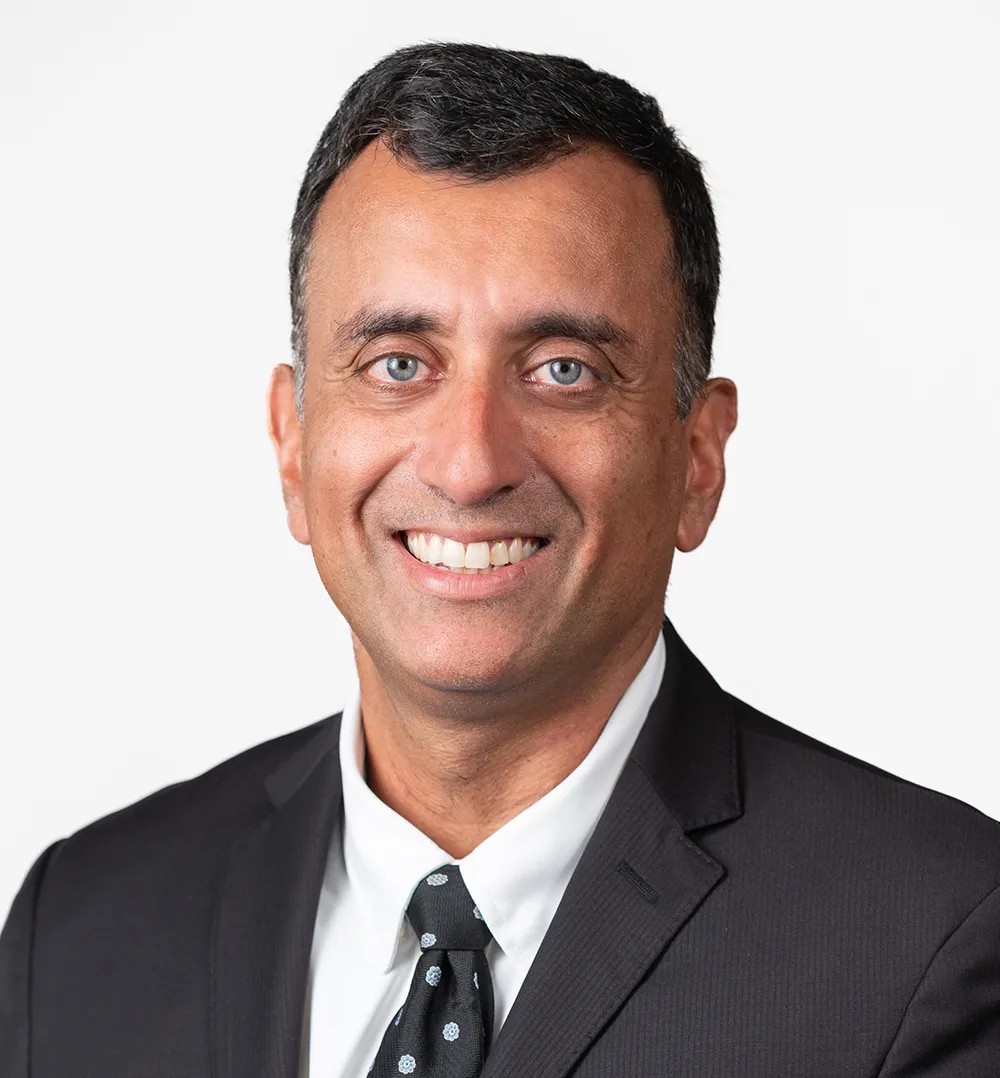
When patients ask me whether SMILE eye surgery is worth it, I don’t answer with a brochure. I answer with a story about one of my first SMILE patients, a member of our own team who was getting married in just a few weeks. She’d spent years heavily dependent on glasses and contacts, and she wanted to walk down the aisle seeing clearly on her own eyes. A wedding on the calendar meant the recovery timeline mattered more than usual, so I had to be confident in the procedure I recommended. I was. What follows is why I trusted SMILE for her, and what her recovery confirmed for me as a surgeon.
Why a wedding made me think hard about the procedure
When someone is walking down the aisle in a few weeks, every decision I make about their procedure carries a little more weight, because there is no rescheduling the moment their vision is tied to. For Candace, we needed an approach that aligned with her timeline while still prioritizing the safety and outcomes I want for every patient that undergoes SMILE eye surgery.
This patient had been heavily dependent on both glasses and contacts for years. Her uncorrected vision was very blurred, the kind where you can’t function without something on your eyes. She didn’t want to spend her wedding day managing a lens or reaching for glasses in the photos. She wanted to see it clearly, on her own eyes. That goal, on that timeline, is exactly the kind of case that tells me which procedure to reach for.
Why I was confident recommending SMILE
SMILE stands for small incision lenticule extraction. It’s a laser vision correction procedure that reshapes the cornea through a tiny incision, without creating the larger corneal flap used in LASIK. For the right candidate, that flapless, small-incision approach means minimal disruption to the surface of the eye and a fast, gentle recovery.
That recovery profile is the whole reason SMILE fit her situation. A procedure that disturbs less of the corneal surface tends to let a good candidate get back to clear, comfortable vision quickly, which is exactly what a compressed timeline demands. Her eye anatomy and her prescription made her a strong candidate, and the technology matched the deadline she was working against.
Here’s the honest test I hold myself to. I would not put a procedure in front of a member of my own team, weeks before one of the most important days of her life, unless I trusted how the recovery would go. I did. That confidence didn’t come from wanting the answer to be yes. It came from what SMILE does, and from what her eyes told me during the evaluation.
How I think about the fear patients bring in
Almost everyone who sits down for a vision correction consultation is carrying some fear, and she was no exception. The worry is usually the same: the complications that can come with any eye surgery, whether that’s dry eye afterward or a result that falls short. I never want a patient to bury that fear. Naming it is how someone makes a clear decision instead of a scared one.
My job on the day of surgery is to make sure the fear has nowhere to hide. Our team communicates through every step as it happens, so nothing on the table comes as a surprise. When a patient always knows what’s coming next, the nervousness tends to fall away, and it did for her. Calm on the table isn’t luck. It’s the result of a team that talks the patient through the whole procedure.
What her recovery confirmed for me
The morning after her procedure, she could already see facial features clearly and read ordinary things around her home that had been a blur for years. She was functional the very next day, and her vision kept sharpening from there, settling into full clarity for her around day three or four.
For me as her surgeon, that was the confirmation I look for. The recovery unfolded the way a good SMILE recovery should for a well-chosen candidate, and it landed comfortably inside the window she needed. She walked down the aisle seeing clearly, on her own eyes, which was the entire point. I want to be clear that this is her outcome, not a guarantee for anyone else. Every patient is their own evaluation. But it’s a genuine example of why I trust the procedure.
The part of SMILE I most like to watch
The wedding was the deadline, but the freedom is what lasts, and it’s the part of this work I most like to watch. The change patients describe first usually isn’t the sharpness of their vision. It’s the small, ordinary freedom of dozing off for a nap without running the old checklist. Do I still have my contacts in? Where are my glasses? That mental tax quietly disappears.
No more counting lenses for the right eye and the left eye before a trip. No more packing a backup pair of glasses in case the first pair breaks. That’s the outcome that’s hard to capture on a chart. The clear vision is the headline. The freedom from managing your own eyes all day is what patients actually live in, and it’s why I believe in offering SMILE as a first vision correction option.
What this early case taught me about recommending SMILE
That case shaped how I talk to patients about SMILE today. When someone asks whether I’d trust it, my honest answer is that I trusted it for a member of my own team, on a timeline that left no room for a slow recovery. That isn’t a promise about anyone else’s eyes, and there is no default path. Every set of eyes gets its own evaluation. But it tells you where my confidence comes from, and it isn’t theoretical.
The people considering SMILE for the first time tend to carry the same questions. The one who can’t quite believe clear vision is possible for them. The one who’s afraid of what could go wrong. The one who’s been on the fence for years. To all of them, my answer is the same. Come in, get the full picture, and then decide. Your eyes deserve a real conversation, not anxiety from the internet and not a sales pitch.
That’s the kind of decision I was confident guiding a member of my own team through, on a real deadline. And I’m just as confident recommending SMILE to the right patient today.